
SEO — Roll Up Your Sleeves and Optimize Your Site — Get Started Part 1
Why Bother with SEO
SEO boosts your site's visibility on the open web and makes it friendlier to search engines, which in turn improves ranking. The result: more (organic) traffic without paying for ads, and a much better chance that potential users searching for relevant keywords actually find you.
How SEO Works
Behind every search engine sits a massive database holding an enormous number of keywords, with each keyword mapping to many URLs. Crawlers visit websites every day to gather keywords and links, hopping from one link to the next. The downloaded content is then analyzed and refined — duplicates and junk are removed, and the cleaned data is stored so users can search it.
Search Engine Market Share
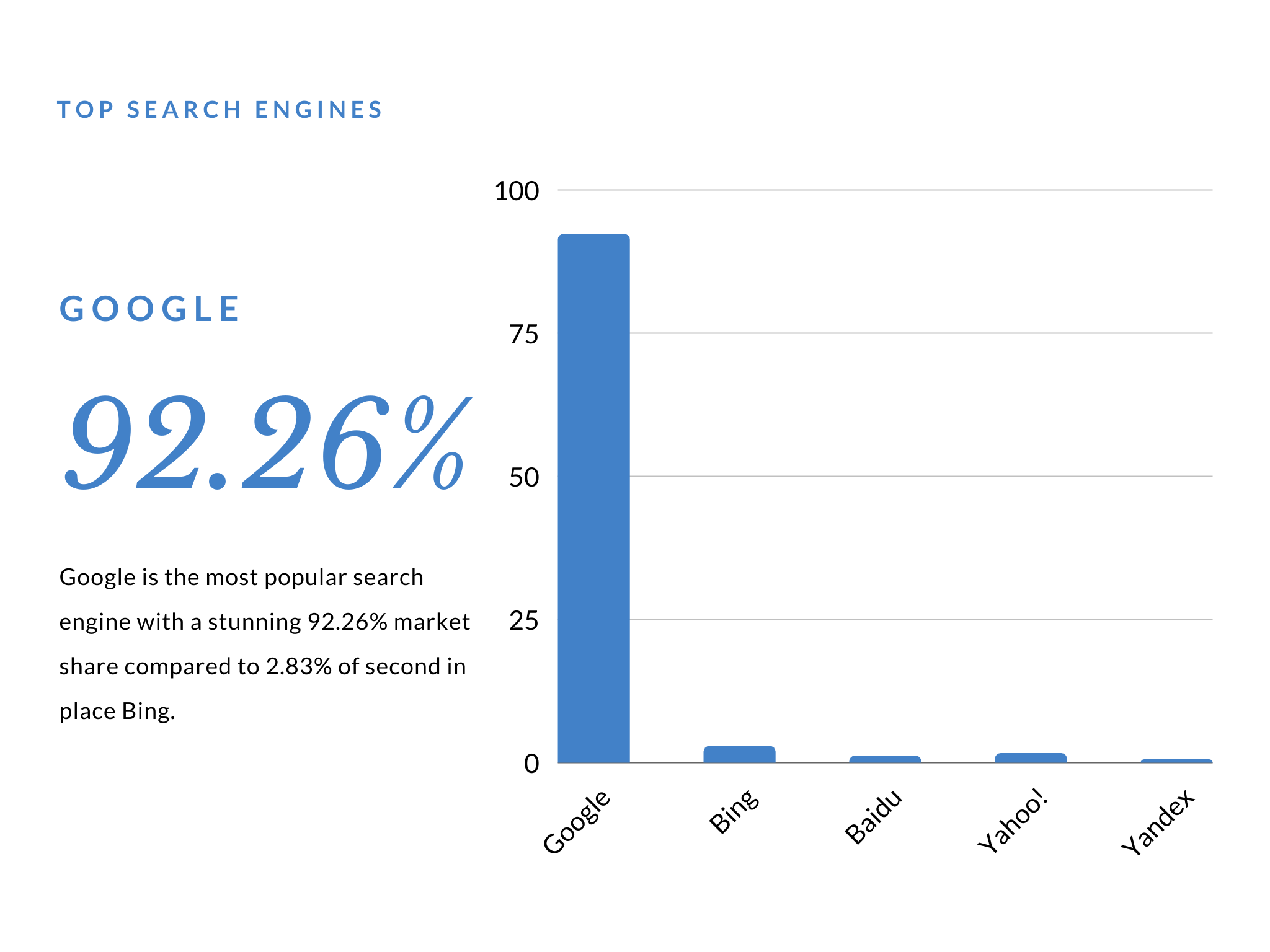 Top 10 Search Engines In The World (2021 Update)
Google publishes ranking signals every year. The site below covers the key factors that affect SEO.
Understanding page experience in Google Search results
So, suppose I've spun up a website. How do I make sure crawlers actually find it?
-
Provide a config file (robots.txt) that tells Google's crawler what it can and can't crawl on your site. Example
-
Build a sitemap.xml so the crawler has a clear index to follow. Example
-
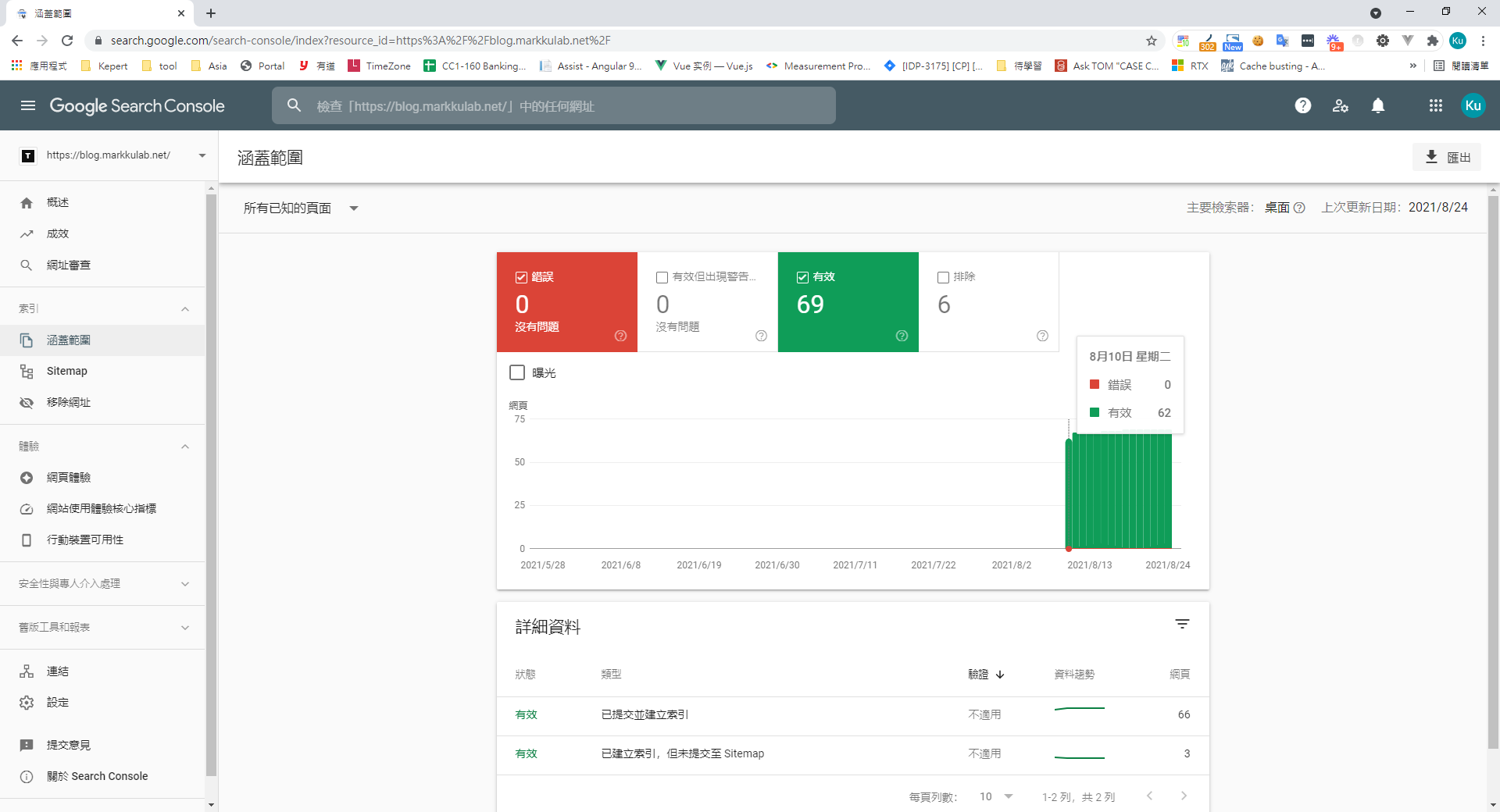
Register the site with Google Search Console.
-
Google will then send its crawler to visit your site daily.
The screenshot below is the Google Search Console backend.
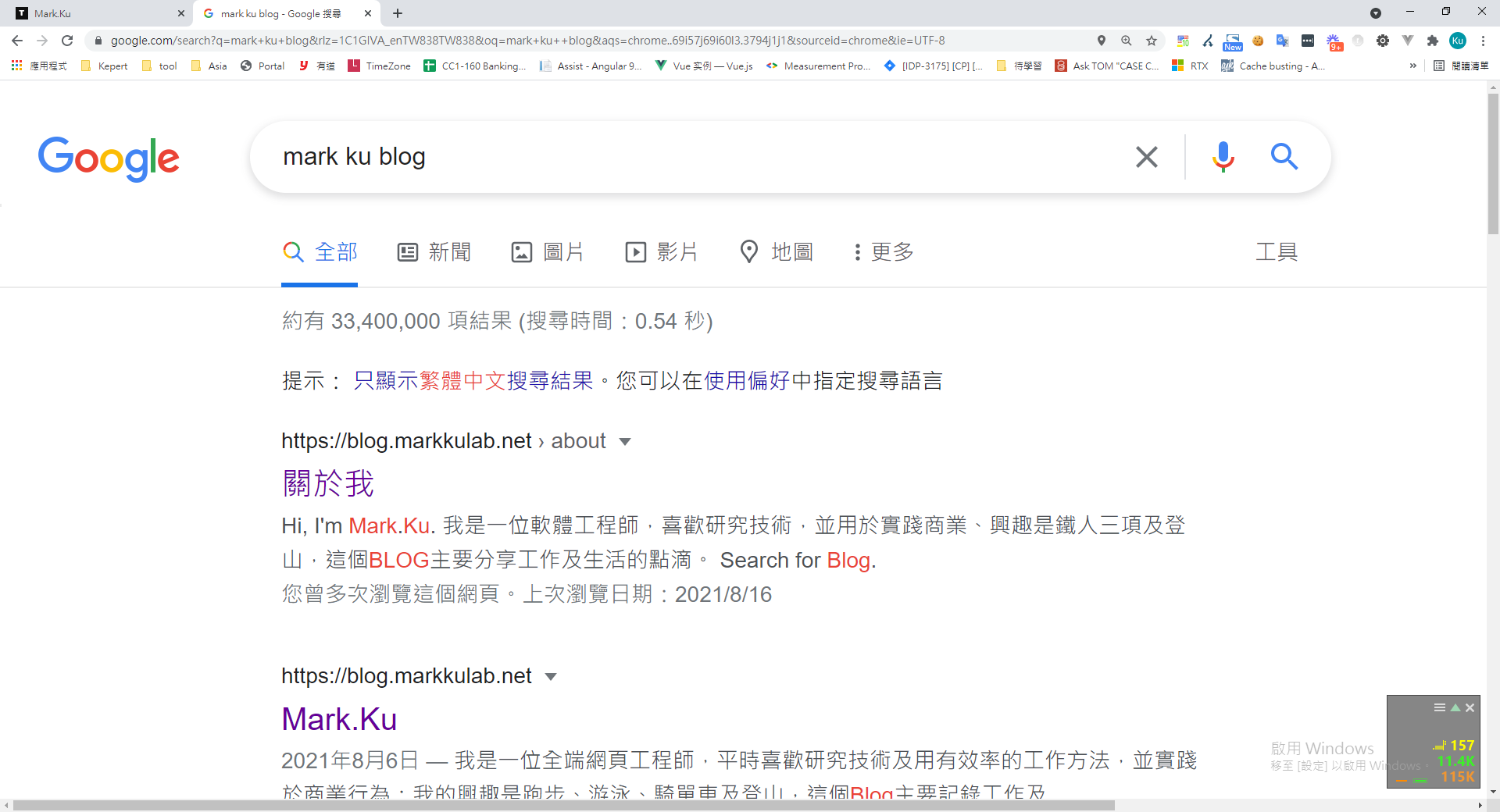
Results
If your keywords are unique enough, ranking on the first page of Google search results isn't actually that hard.
A solid article from a foreign SEO expert. Key Google ranking factors for 2022:
Quality content, effective keywords, backlinks, user experience, uniqueness, user interaction, internal links, mobile experience and friendliness, page speed, and HTTPS — all of these tie directly into SEO ranking. Related article


Comments