Mark Ku's Blog

Solving the Problem

As the number of computers in the office grows, they often sit idle. But when you need to use one, you have to connect to it remotely. Leaving computers on for extended periods can cause them to overheat, wastes electricity, and increases the risk of fire. This led me to research how to wake them up remotely.

How It Works

The setup uses an always-on machine in Taiwan. This machine accesses a wol-go-web container via a Cloudflare Tunnel to wake up your computers.

Limitations

An Ethernet cable connection is required. Wi-Fi is not supported.

Service Setup

Create the Wake-on-LAN Container Service (Server Setup)

docker run -d  --env PORT=9090 -p 9090:9090 --restart=always chishin/wol-go-web

Next, configure a Cloudflare Tunnel to bind to localhost:9090, allowing the wol-go-web container service to be accessible from the internet.

https://wol.ec666.com => http://localhost:9090

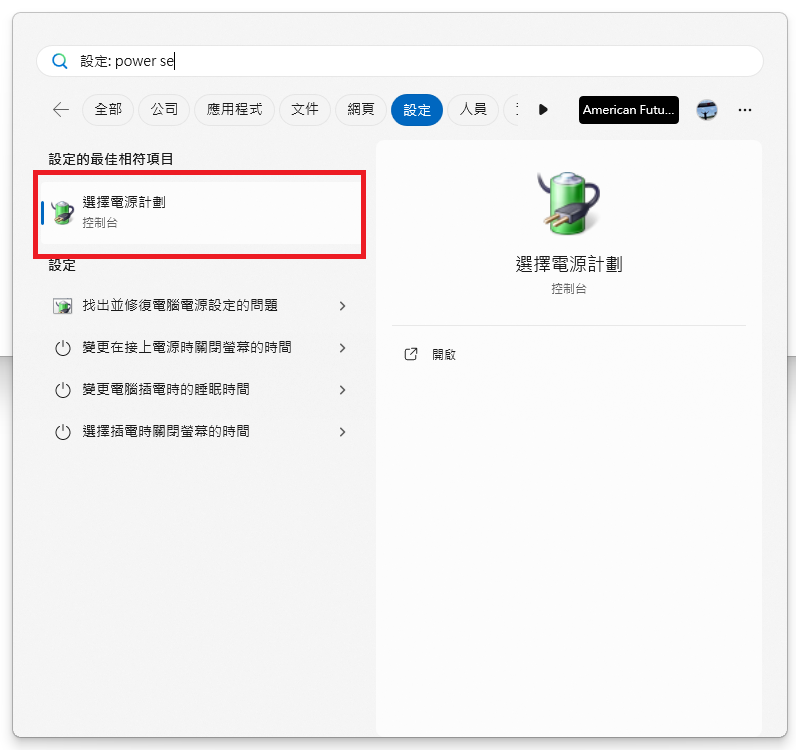
Windows 11 Configuration

image
image

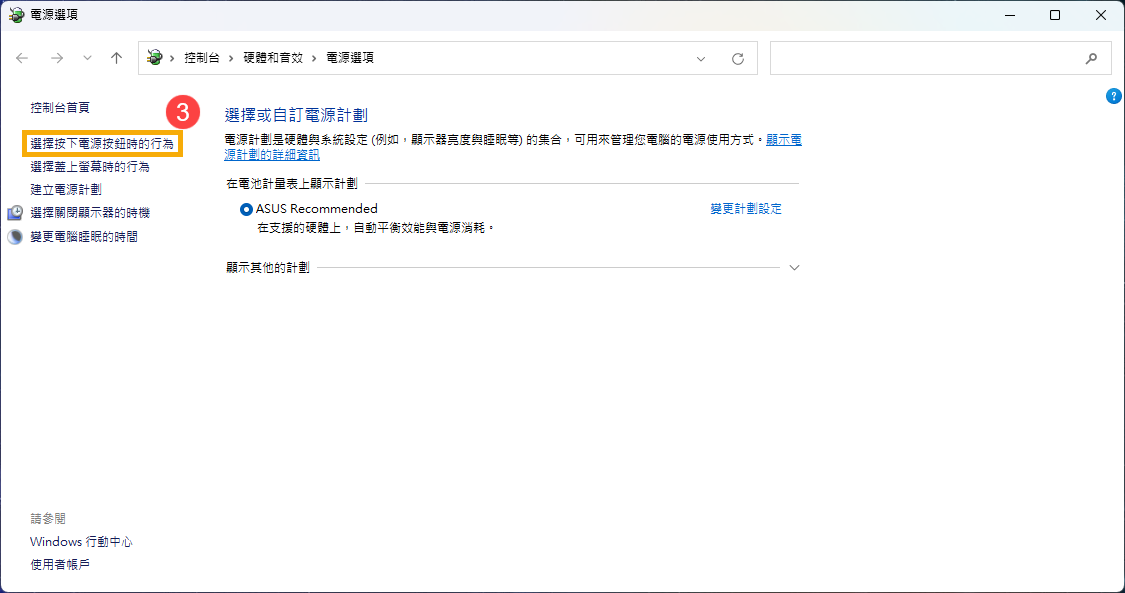
Select "Choose what the power buttons do" > "Change settings that are currently unavailable".
image
image

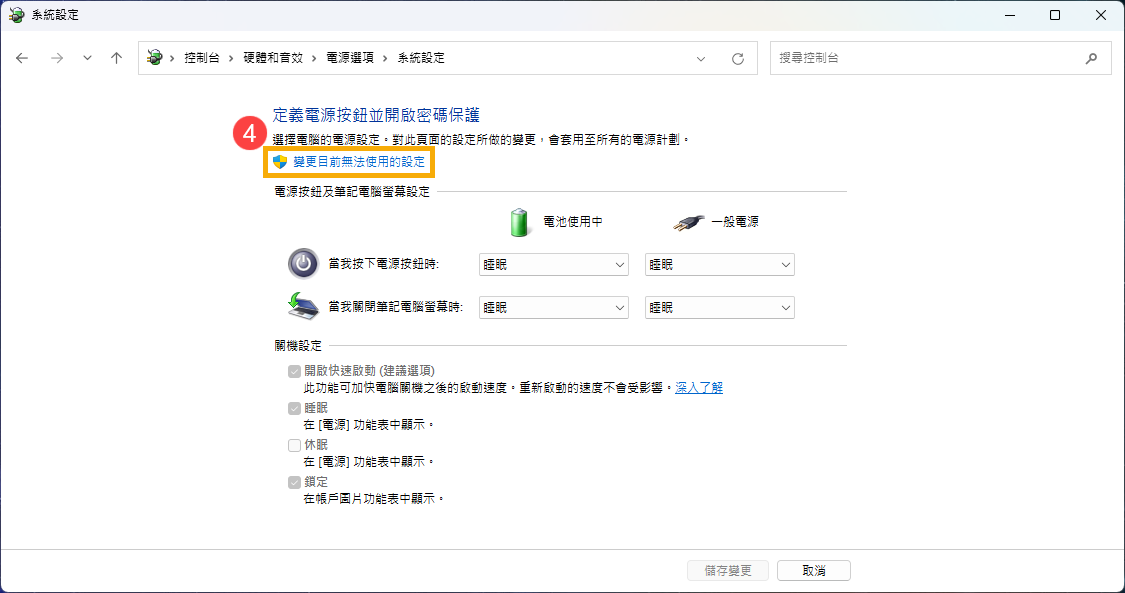
Uncheck the "Turn on fast startup" setting > Save changes.
image
image

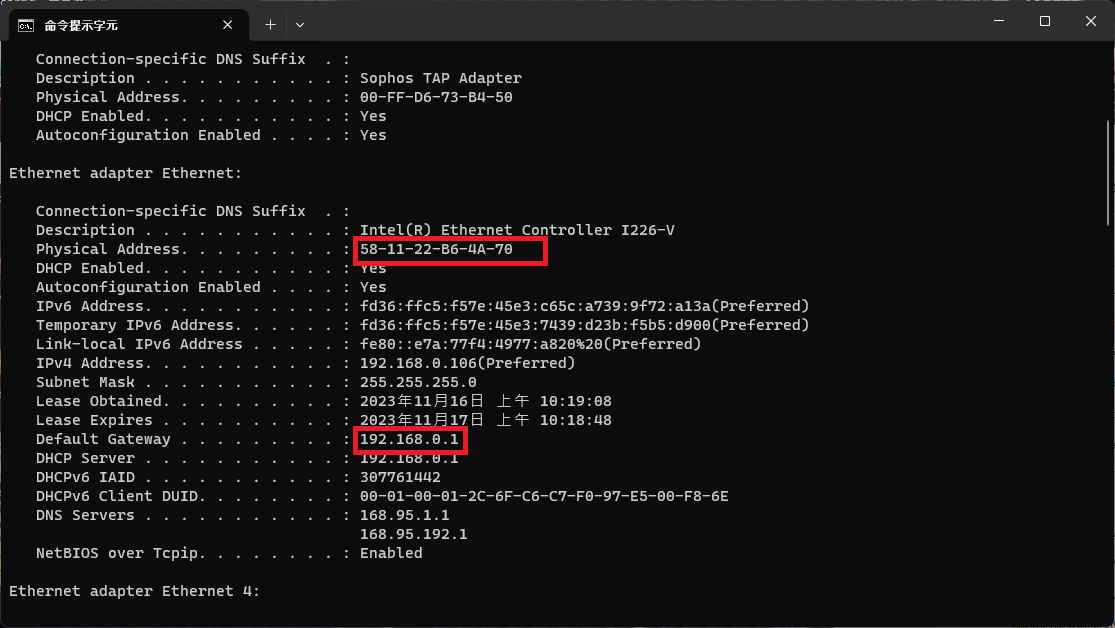
Next, open Command Prompt > run ipconfig /all > scroll up to find your Ethernet adapter (it cannot be a Wi-Fi adapter). You will find the IP address and MAC address there.
image
image

BIOS Settings

Restart the computer and press Del to enter the BIOS > Boot > Boot Configuration > First boot > Disable.

Untitled
Untitled

Next, go to Advanced > APM Configuration > POWER ON BY PCI-E.
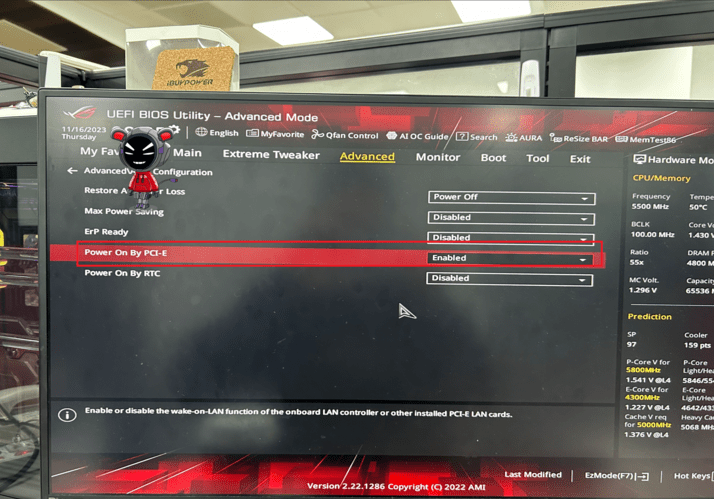
Untitled
Untitled

Finally, replace the internal IP and MAC address parameters in this URL with your own. Visiting the URL will then remotely wake up your office computer.

https://wol.ec666.com/wol?mac=58-11-22-B6-4A-60&ip=192.168.0.1

References

Reference Link Reference Link Reference Link

Author

Mark Ku

擁有 10+ 年經驗的資深軟體工程師,現為 AI 應用 Builder,專注於大型平台架構與簡化複雜系統設計,從電商系統到訂閱與收費平台,結合 AI Agent、AI 整合與自動化開發,打造高效率且可持續演進的產品技術基礎。Read More

Found this useful?

The author's free tools, daily podcasts and newsletter are all here.

Mark Ku · This article is licensed under CC BY 4.0. Credit the author and link back to the original when reusing it.

Comments

Subscribe to Newsletter

Subscribe to get new posts delivered instantly — never miss a tech share.

By submitting, you agree to receive emails. You can anytime.

Popular Posts

View all
Mark Ku
··602

Oracle Cloud Always Free Tier: Linux Host and Static IP for a $0 Cloud Solution

Oracle Cloud Always Free Tier: Linux Host and Static IP for a $0 Cloud Solution
Mark Ku
··490

Say Goodbye to Postman's Fee Trap! A Hands-on Guide to Bruno, the Open-Source Git-Native API Testing Powerhouse.

Say Goodbye to Postman's Fee Trap! A Hands-on Guide to Bruno, the Open-Source Git-Native API Testing Powerhouse.
Mark Ku
··333

A Free, Open-Source, Notion-like Knowledge Base — A Complete Guide to Deploying and Backing Up Outline Wiki

A Free, Open-Source, Notion-like Knowledge Base — A Complete Guide to Deploying and Backing Up Outline Wiki
Mark Ku
··264

Training Your Own AI Voice: Hardware Requirements, Open-Source Model Comparison, and LoRA Fine-Tuning

Training Your Own AI Voice: Hardware Requirements, Open-Source Model Comparison, and LoRA Fine-Tuning
Mark Ku
··221

Building an Efficient API Management Platform: Deploying Kong Gateway from Scratch - Part 1

Building an Efficient API Management Platform: Deploying Kong Gateway from Scratch - Part 1
Mark Ku
··215

Setting Up Samba on Ubuntu to Share Folders with Windows 11

Setting Up Samba on Ubuntu to Share Folders with Windows 11