
Why Go to a Language School?
My English has never been very good. I've tried cram schools and online AI learning in the past, but the results weren't great because I rarely had a chance to actually use the language. Even though I've been working at a foreign company for the past few years, I've mostly only practiced my reading and writing skills through emails and documents.
I remember my first business trip to the US two years ago. I had only been with the company for two months when I was sent over. At the time, I couldn't even speak a complete English sentence and could only string together individual words. I managed to get through that trip with the help of a colleague and by drawing flowcharts. That was the first time I truly felt the frustration of being unable to express myself.
This year, I realized that learning English was no longer optional for me. I started taking online classes with a Filipino tutor and have completed 34 sessions (50 minutes each) so far. While my speaking has improved a bit, my grammar is often incorrect because my foundational knowledge is weak.
So, I decided to use my annual leave and compensatory time off to go somewhere I could both vacation and study English.
Why Choose a Language School in the Philippines?
- Room, board, and 1-on-1 classes are included, and the cost is relatively cheaper than in other countries.
- You can enjoy many water activities (swimming with sardine runs or whale sharks, snorkeling, diving, eating seafood, and other water sports).
- In places like the US, Canada, and Europe, teacher fees are high, and classes are mostly group-based. In contrast, the 1-on-1 classes in the Philippines are a huge help for improving speaking and listening skills.
- The tuition fees in Thailand and the Philippines are similar, but the Philippines is a country where English is an official language. This means you can use English to communicate with locals in daily life, which makes for a better learning experience.
- Some people worry about the strong Filipino accent, but honestly, we Taiwanese have our own accent (like not distinguishing between 'm' and 'n'), and Japanese people face similar challenges. Most of the teachers are professionally trained, so I personally don't think it's a big issue.
Why I Chose CBOA (Cebu BlueOcean Academy)
Last year and the first half of this year, work and overtime were very stressful. I was looking for a place to vacation and study. I love swimming, and CBOA has three pools, so it was a good balance of vacation and learning. CBOA is a well-established language school in the area with a semi-Spartan academic style. They also provide three meals a day, often a mix of Chinese, Japanese, and Korean cuisine, which was probably more familiar than what many local restaurants offer.
A Few Tips for Cebu
- Transportation: When taking a taxi or jeepney, you'll often encounter drivers who quote random high prices. It's best to download the Grab app beforehand. If you link your credit card, you won't need to exchange currency locally.
- Data Card: Local SIM cards require identity verification, which must be completed in the Philippines. I recommend setting up roaming before you leave and then completing the registration after you arrive. The process for Globe is simpler and the approval is fast. The free Wi-Fi at the airport and the school is unstable, so it's best to have your own data card.
- Food: I had trouble adjusting to the local food. It's best to eat sparingly from street vendors unless you have a strong stomach. Due to the climate, the Philippines grows upland rice, which is drier and harder. After a while, you'll miss Taiwanese white rice. Fortunately, the food at CBOA's cafeteria was quite good. A lot of the rice served outside is mushy and clumped together. But if you're worried about going hungry or not liking the food, you can bring your own instant noodles.
- Daily Essentials: It's easy to catch a cold, so I suggest bringing plenty of common medications (cold medicine, stomach medicine).
- Electricity: Electricity is relatively expensive in the Philippines, costing about 10-15 TWD per unit.
- Currency Exchange: Try to bring US dollars, as the exchange rate is better for 100-dollar bills. You can find currency exchange services at the school, malls, or near supermarkets.
- Online Courses: CBOA also runs an online course called 11 talk, so you can continue your studies after returning to Taiwan.
Climate
The Philippines only has two seasons: a dry season and a rainy season. However, the weather is quite hot year-round, so short sleeves and a light jacket are sufficient.
Costs
- Two weeks of tuition + two weeks of accommodation (twin single beds, including three meals) ≈ 40,000 TWD
- Miscellaneous fees ≈ 300 USD (government fees, utilities, books, maintenance)
- Airfare: 7,000 TWD
- Other extra expenses (massages, travel for fun, food and drinks, island hopping) ≈ 400 USD P.S. The total for two weeks was around 70,000 TWD. If you can stay for a month or two, it would be about 130,000 TWD for two months.
Cost Estimator
Additionally, the FeiFan Study Tour website offers a handy online cost calculator - Online Cost Calculator.
Day 1
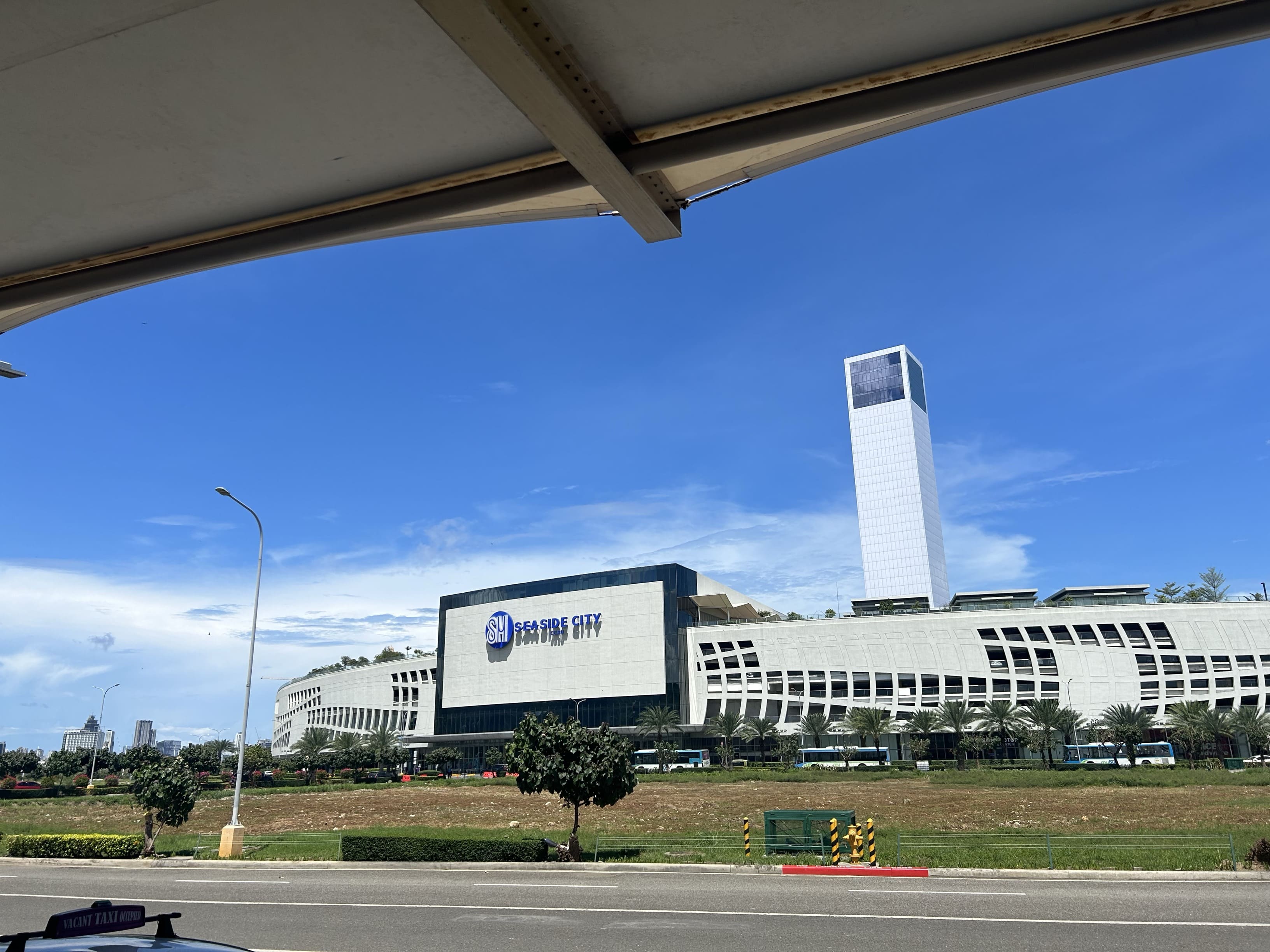
I arrived at the school on Sunday. The Philippine government announced a holiday for the next day, so we unexpectedly got an extra day off. We took the opportunity to visit Ayala Mall and SM Seaside. Both malls are huge, but they don't have many brands, mostly Southeast Asian-style goods. Most people were just eating and browsing, not buying much.
Day 2
Placement Test
In the morning, we gathered to take photos and get our ID cards made. Then came the speaking test, where two teachers asked questions and had me describe a picture. I was placed into a level based on my test score, and I found out the results in the afternoon. I was placed in Level 3. In the afternoon, the Taiwanese manager gave us a tour of the campus (photos of the campus are at the end of this article) and told us when to pick up our books.
Day 3
Classes started according to our levels. I spent almost the entire day introducing myself in English to different teachers.
Day 4 to the Last Day
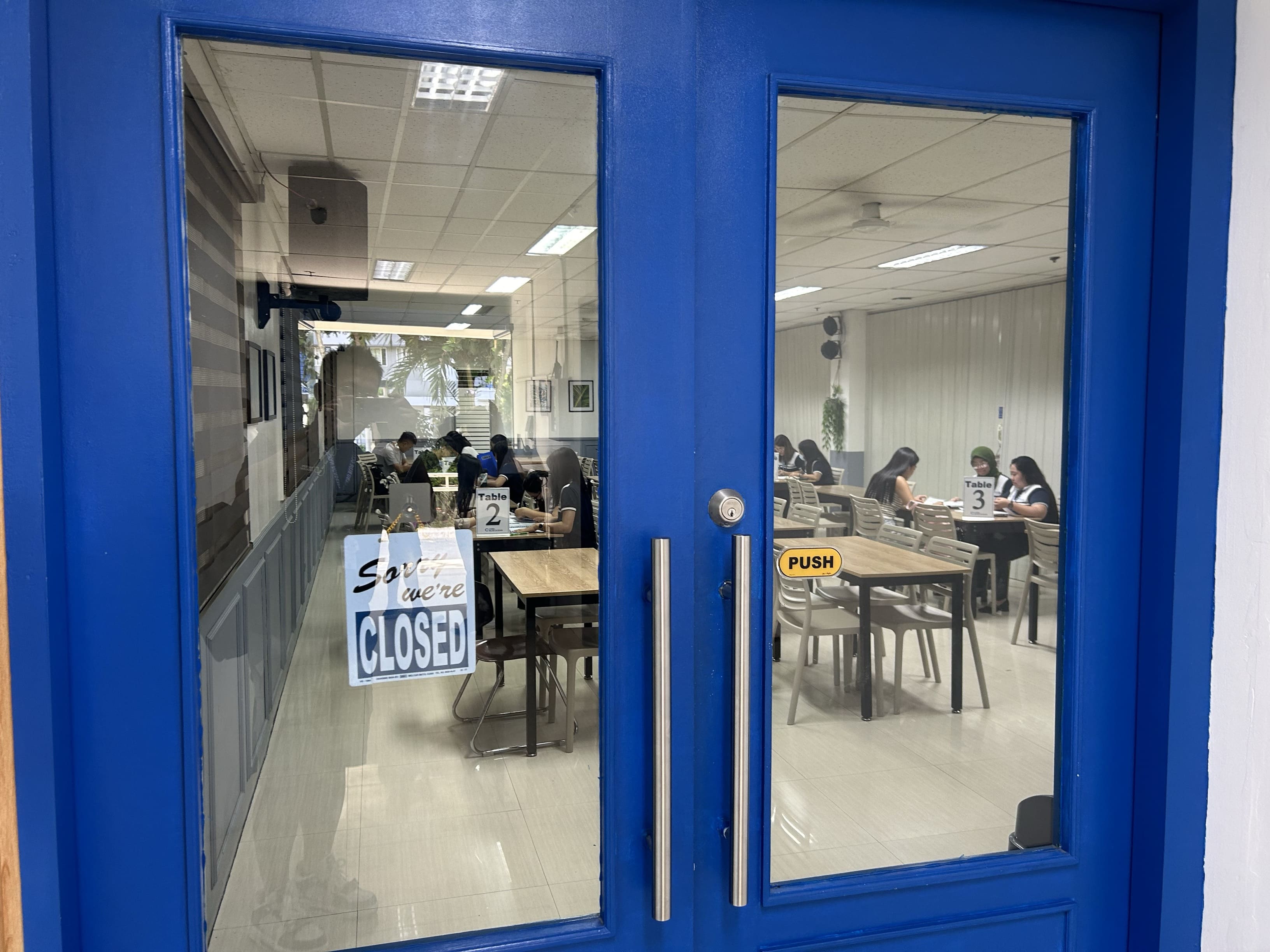
Since I chose an extra grammar course, I had up to eight classes a day. The workload was actually quite heavy, and I often couldn't digest all the material at once. Because I had to speak English all day, every day, I'd get a headache after my 8 classes. My teacher said this was normal, because she once got a nosebleed from studying so hard?! By the time I came back, my throat was hoarse.
Weekend Island Hopping
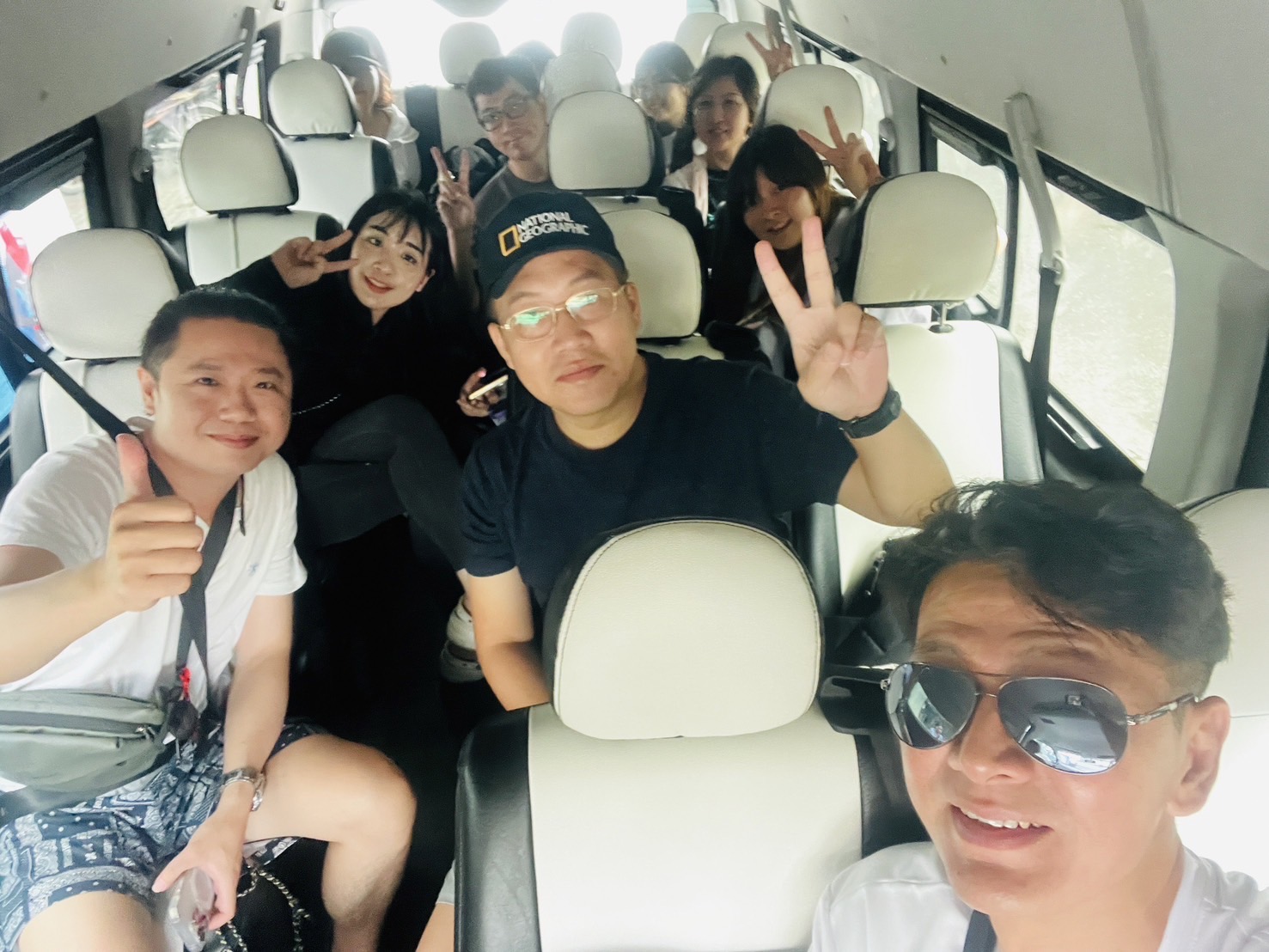
On the first weekend, I was supposed to go on a two-day, one-night trip to Oslob and Moalboal, but it was canceled at the last minute on the way there due to unstable sea conditions caused by the tail end of a typhoon.
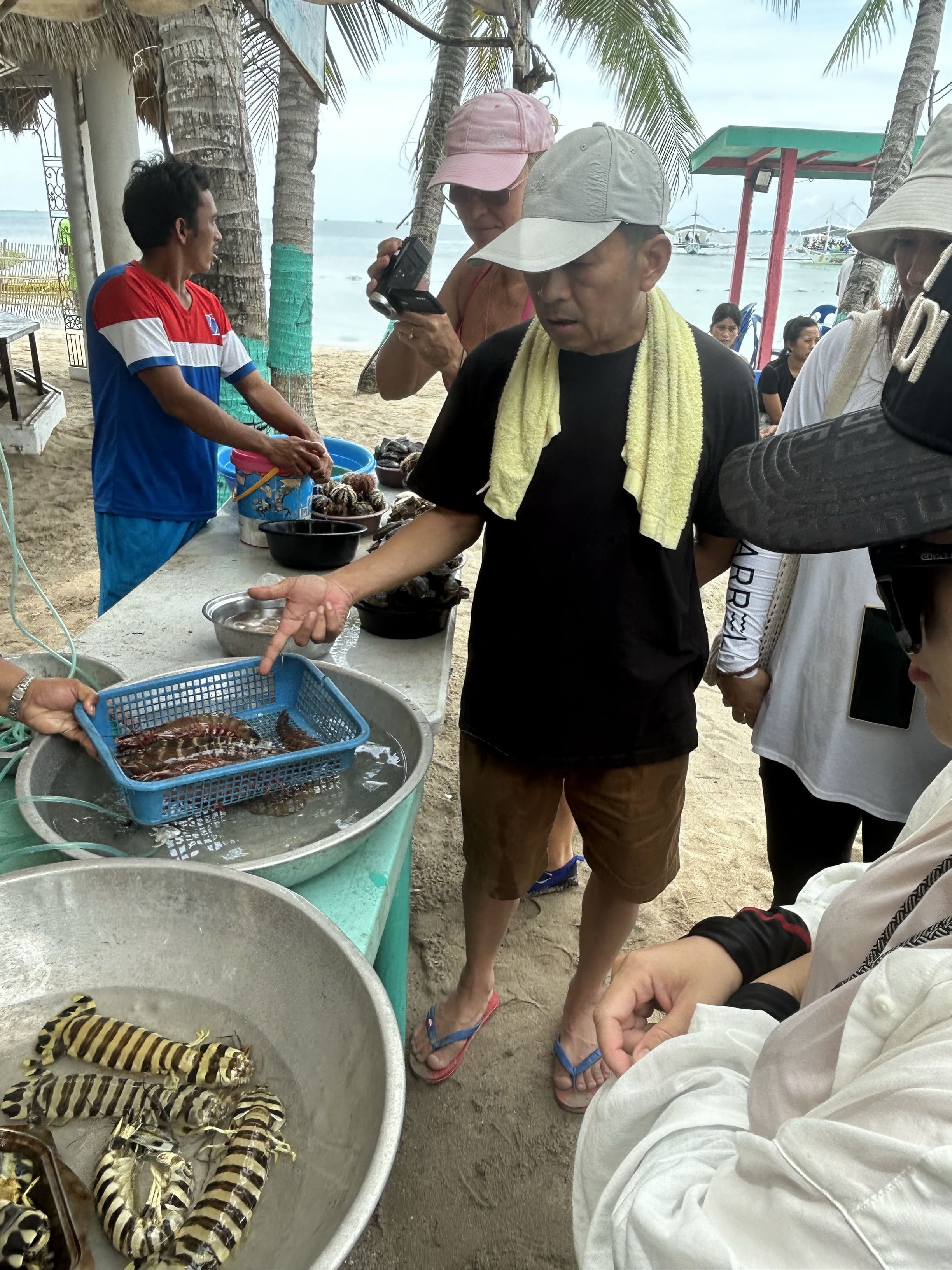
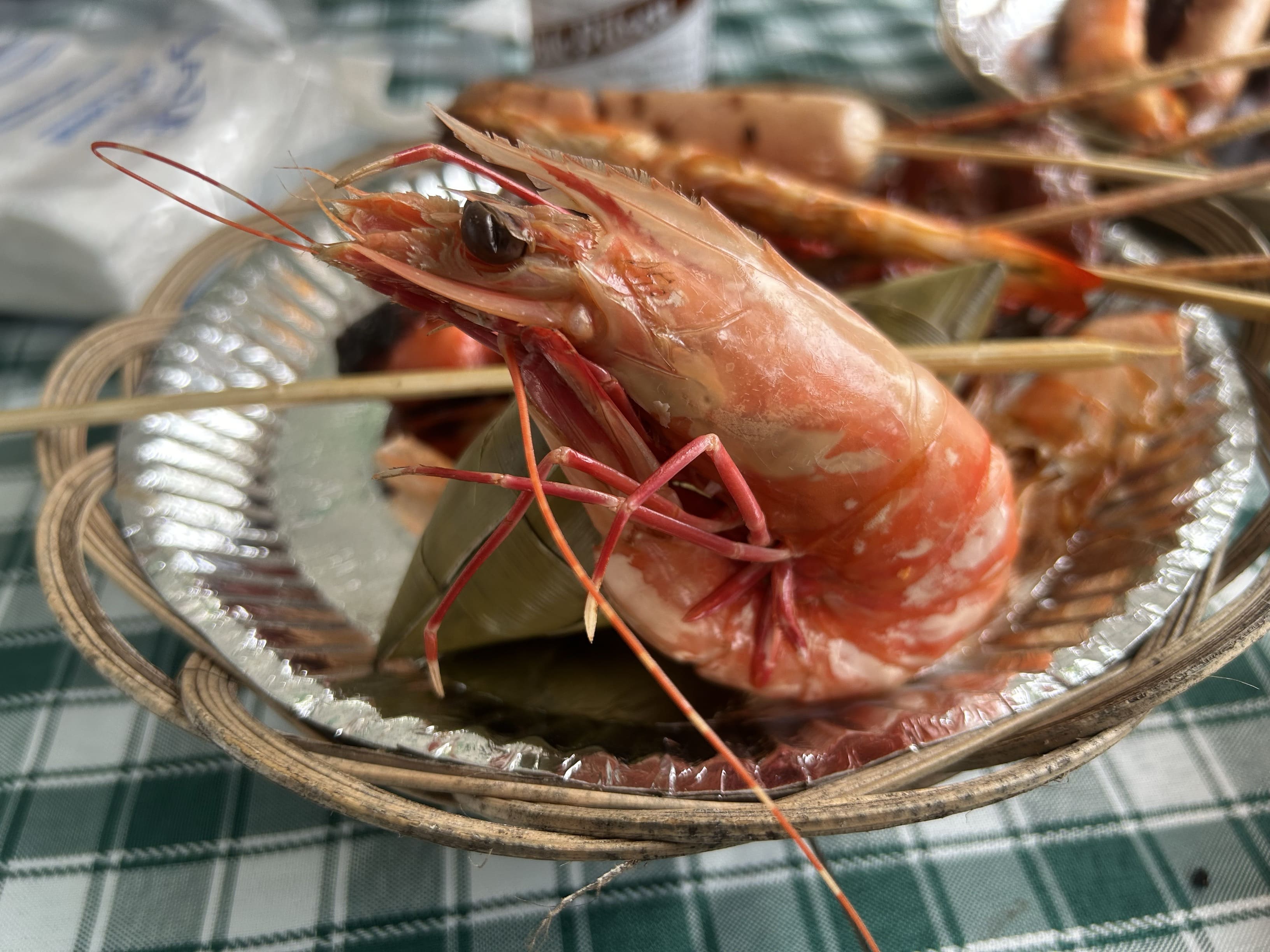
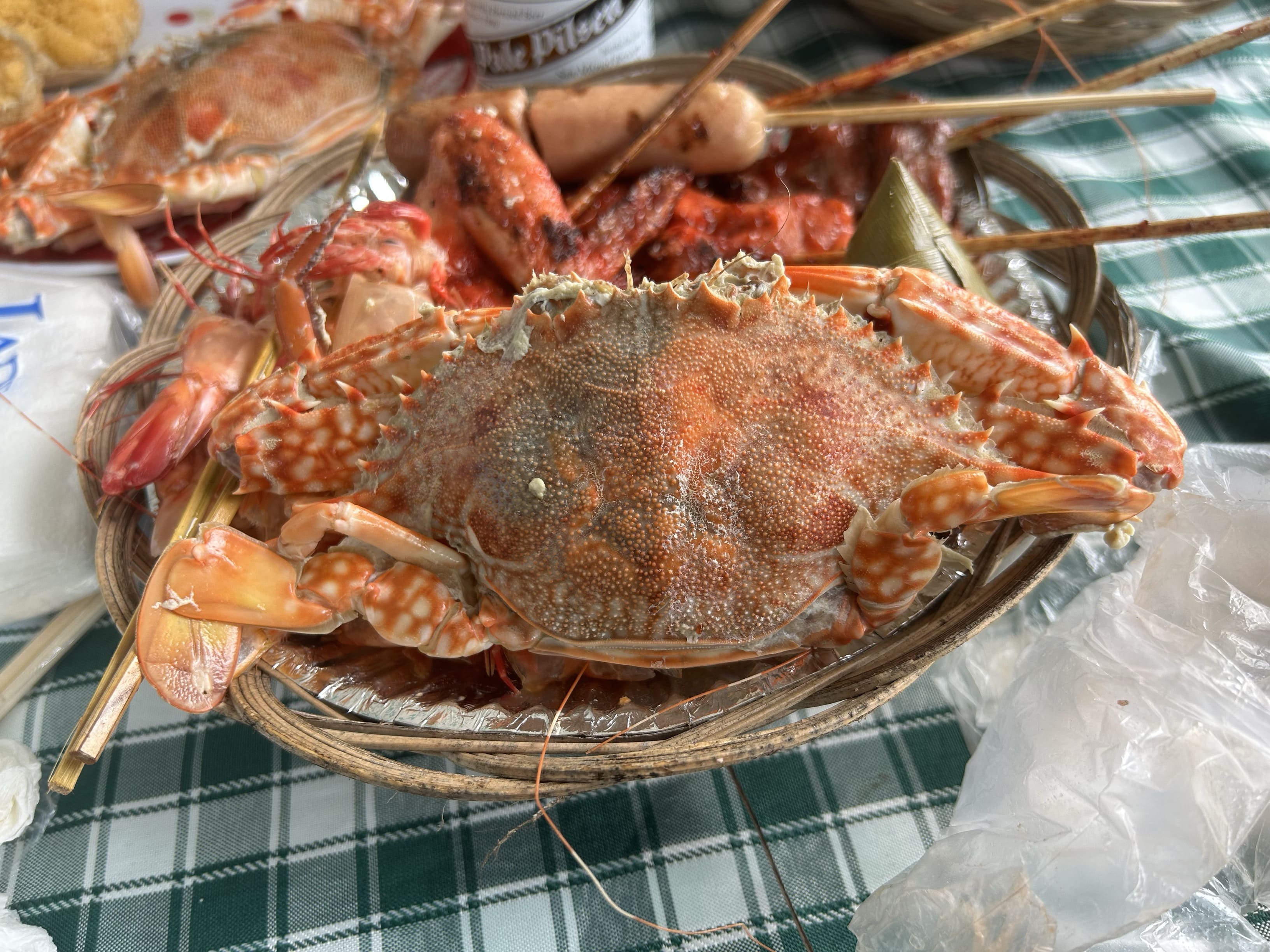
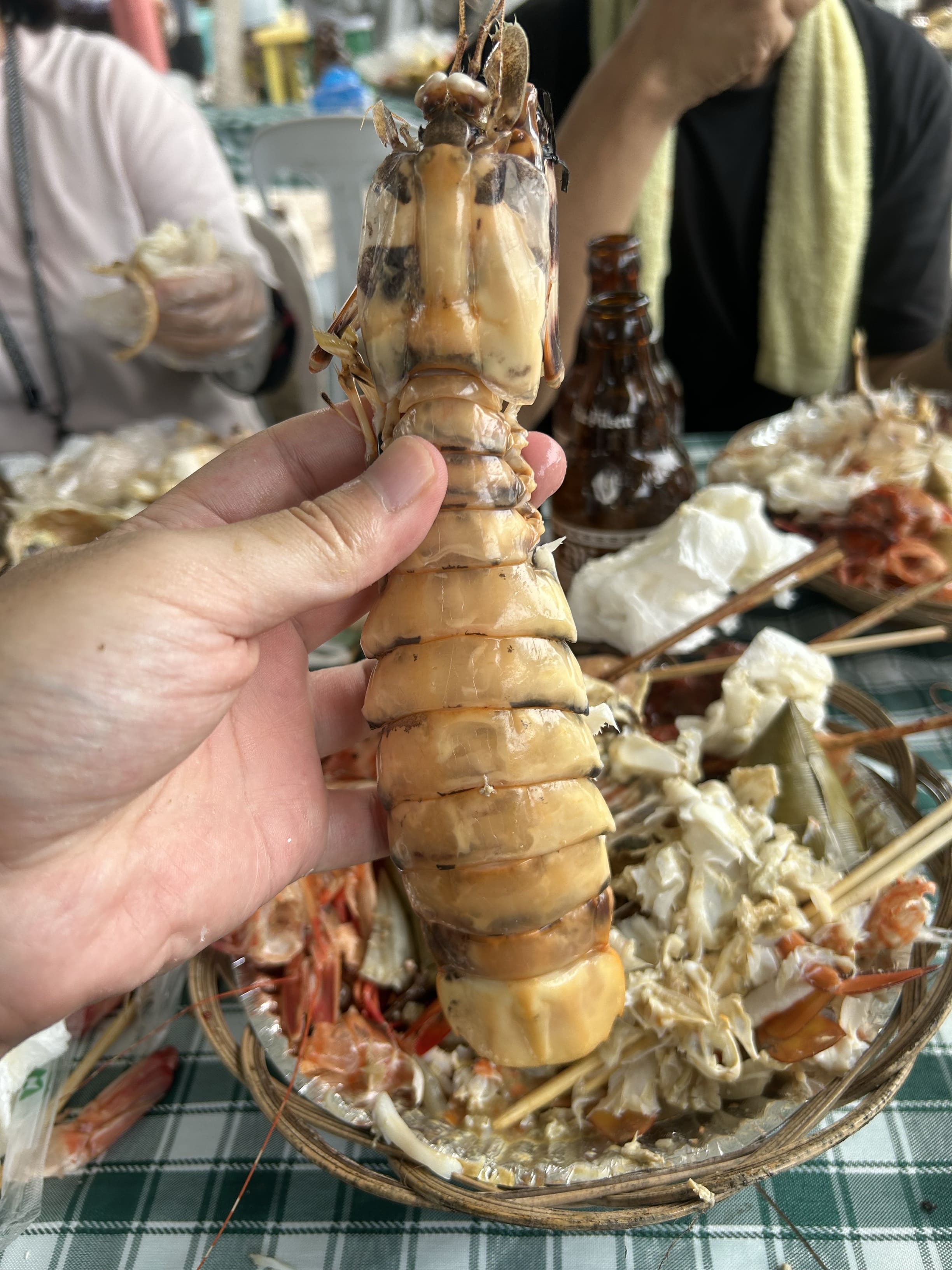
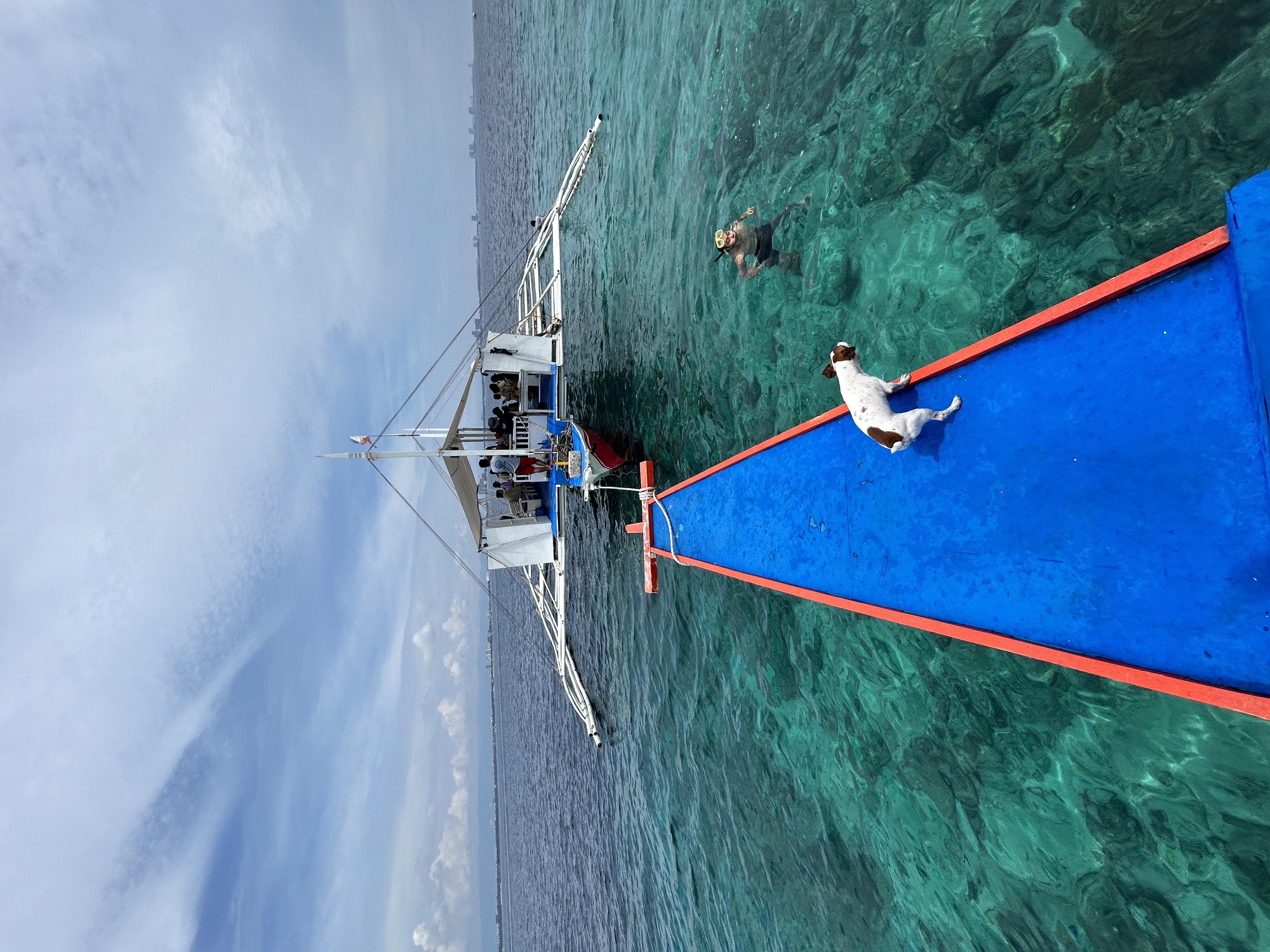
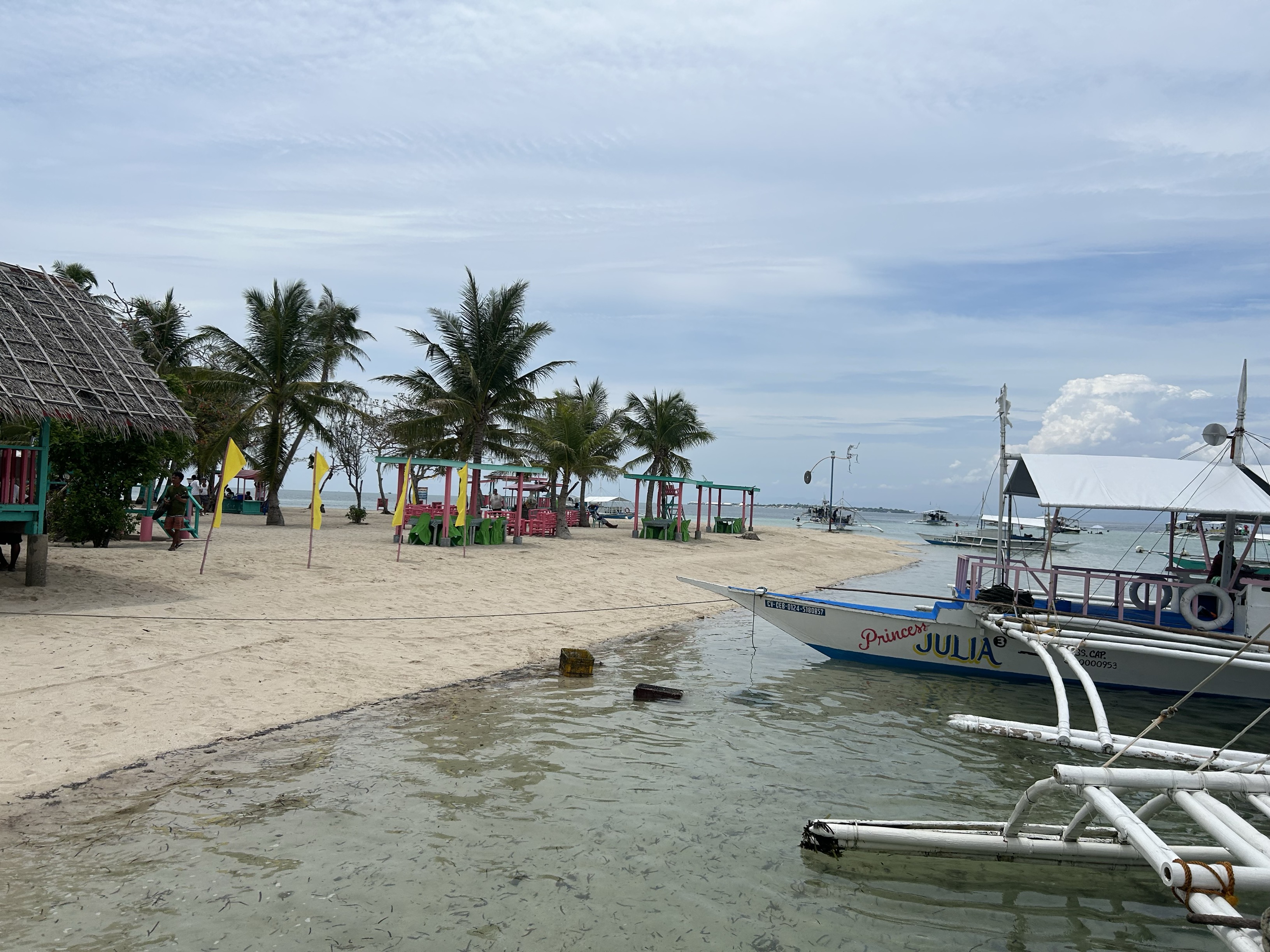
On the second weekend, I ended up going to Caohagan Island for seafood and snorkeling. When you come to Caohagan Island, you absolutely must learn to bargain, or you'll get ripped off (a good rule of thumb is to cut the initial price in half). If you're not good at haggling, you can join a group of seasoned bargainers.
In Conclusion
Overall, the environment and teachers at CBOA are quite good. I'm very grateful for the teachers' encouragement and the help from all the staff.
The school teaches in a very systematic way. I learned the logic of English, how to practice it, and also learned IPA pronunciation. My classmates in the group class said my grammar and speaking had improved significantly, but I know I still need to keep working on my listening skills. I'm planning to take the TOEIC test at the end of the year.
Everyone who comes to Cebu has their own story. After hearing so many, I have to continue writing my own.
Cebu is a great place to catch your breath, clear your mind, and think about how to bravely face your challenges and how your life story will unfold next.
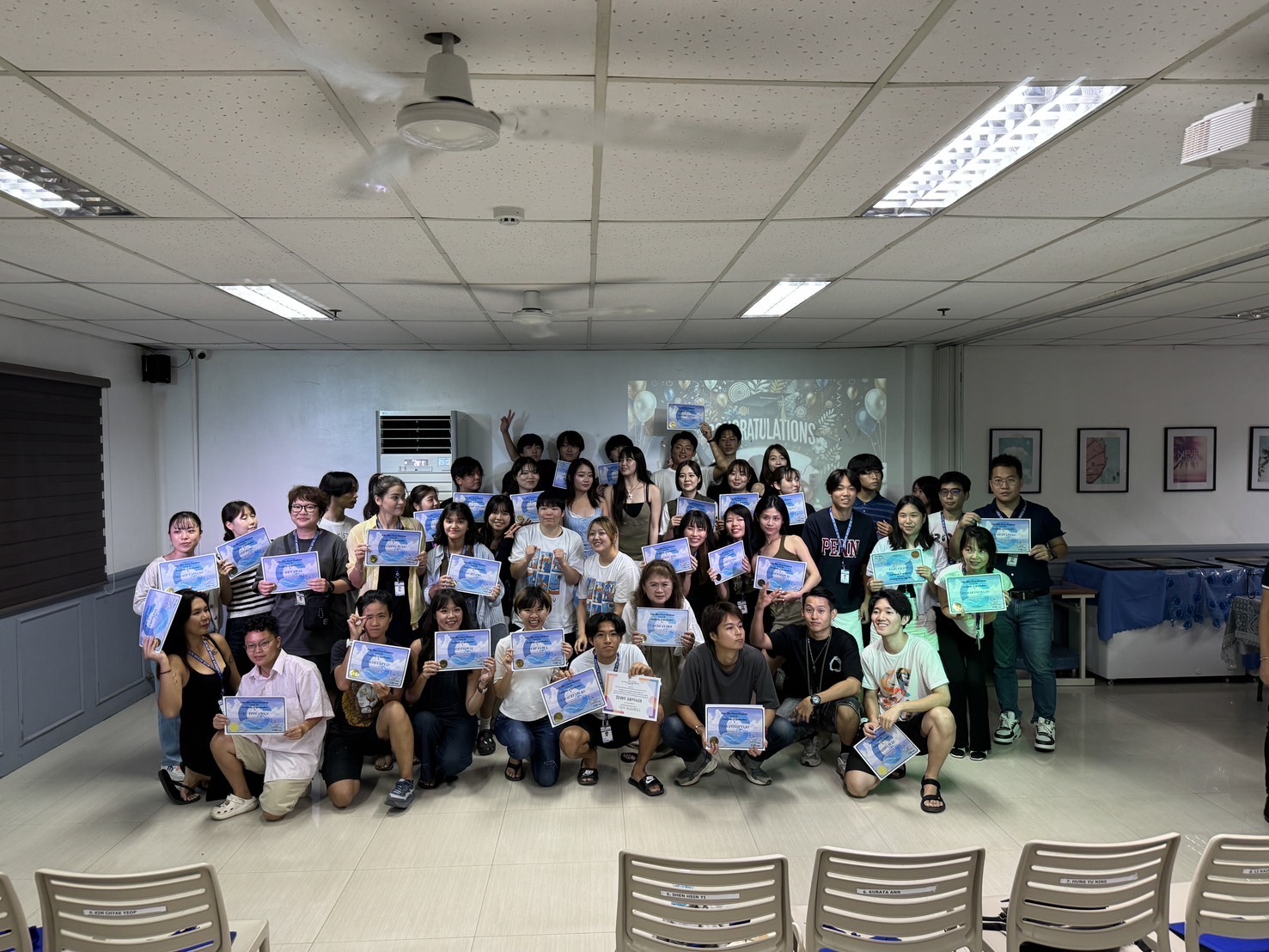
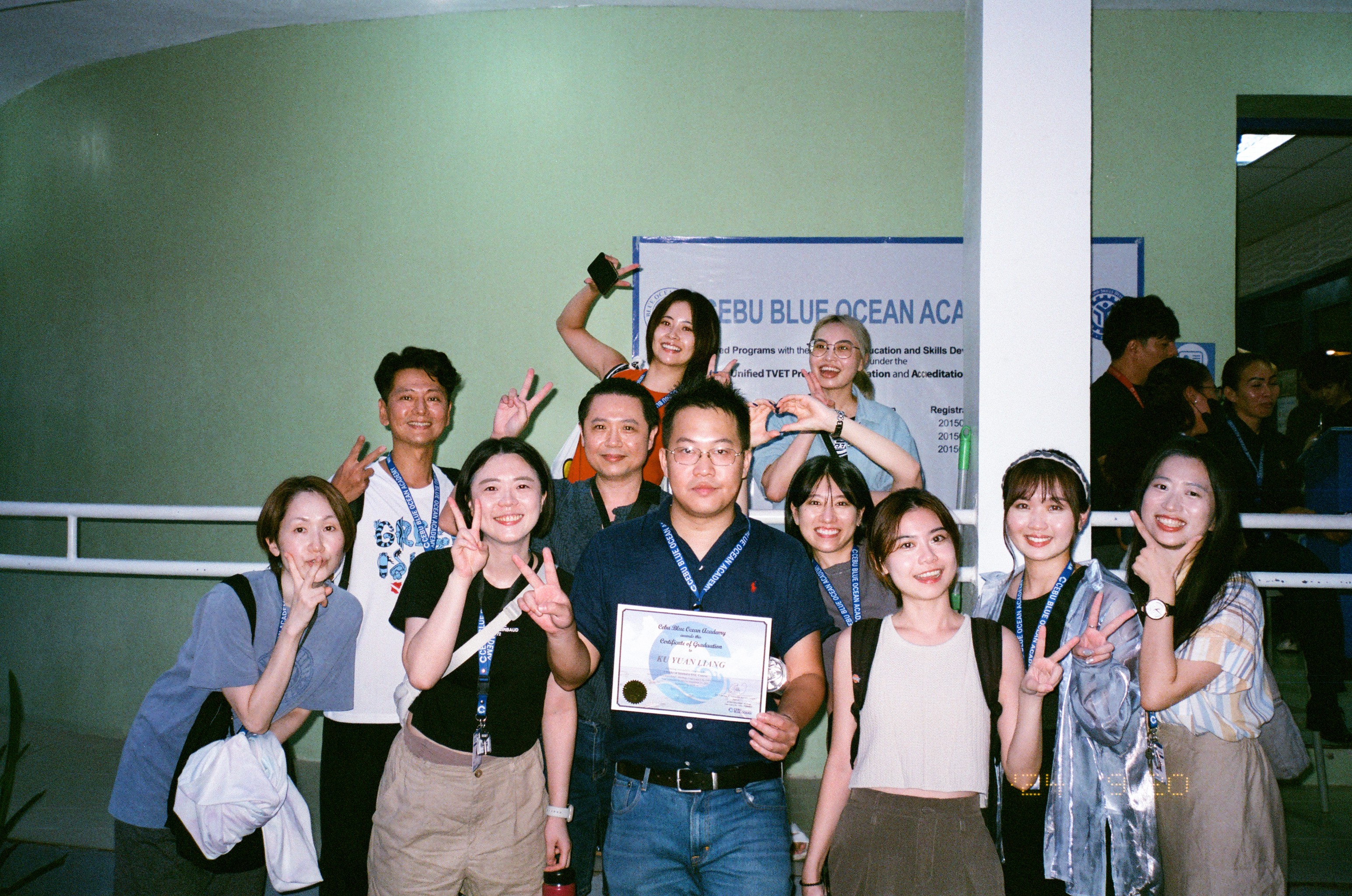
After working for a long time, it's rare to find such simple friendships—shooting the breeze, helping each other out, and sharing a common goal, with endless classes and many strict teachers.
I met many Japanese classmates, and we communicated in our broken English.
I also "picked up" a younger "sister" who looks like Chibi Maruko-chan. We were born in the same city, went to the same high school, arrived in Cebu on the same day, and even share the same birthday. Though she often PUA'd us into carrying water for her from the supermarket.
And the most interesting part was having a drill sergeant-like roommate who would stay up late singing "I love CEBU" and would get called on to do backflips.
Finally, thank you all. I wish you all the best for the future!


Comments